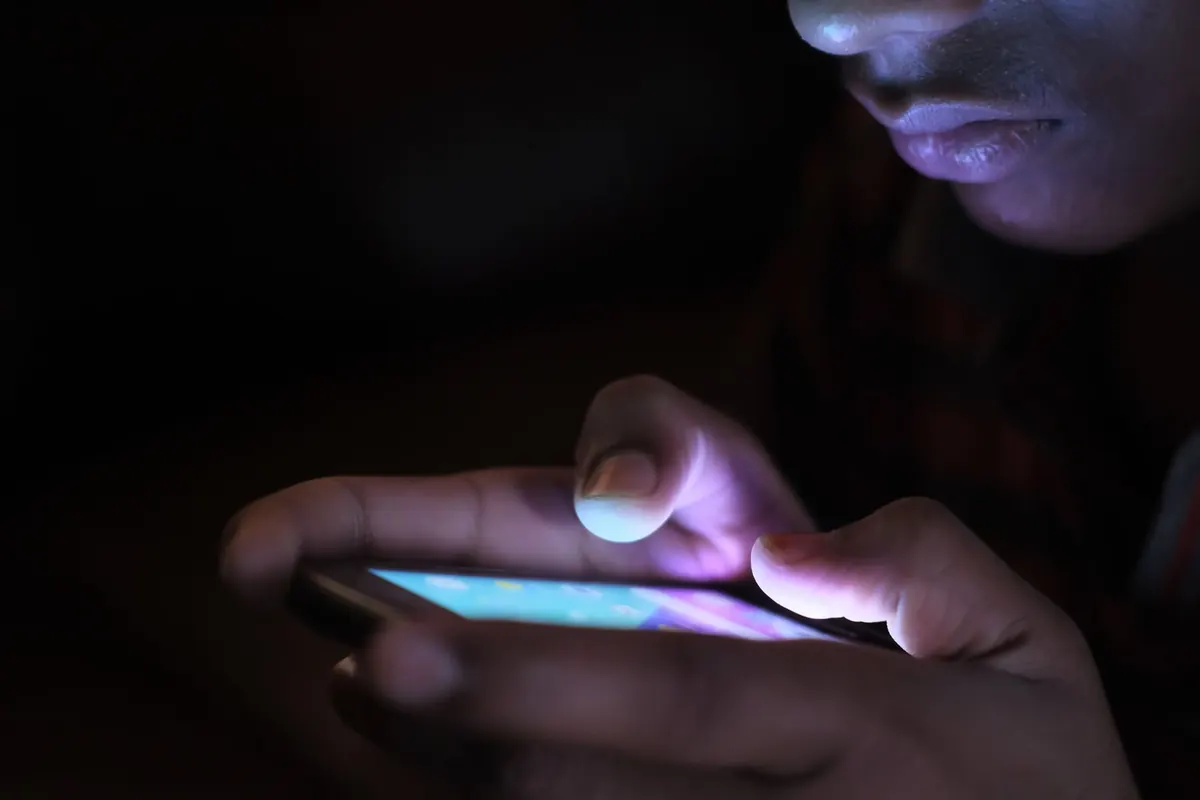
The intention is always the same. One more email. One more episode. A quick check of the weather in a city you have no plans to visit. Then you look up and it's 12:20, and the alarm is set for half six.
That gap between what you meant to do and what actually happened is what a digital sunset is for. A digital sunset is a fixed point in the evening when screens go away: no scrolling, no streaming, no just checking. Two hours before bed is a sensible target — long enough to change how the evening feels, short enough to plan around.
What follows is a gradual route there. Cutting screens dead at 9pm on a Tuesday sounds noble and rarely survives the week.
Why two hours, and why it feels like so much
Blue light gets most of the blame, and it is part of the picture. The bigger obstacle is what screens ask of you. Feeds are built to keep going. Alerts interrupt. One programme ends and another begins within seconds, before you've decided whether you want it to.
Two hours works because sleep doesn't switch on like a light. It arrives after a runway of quiet, dimmer, duller time. Give yourself an hour and you spend most of it finishing things. Give yourself two and you get to be genuinely finished — fed, washed, sorted, slightly bored — before you get into bed.
If you currently use a screen until lights out, two hours will feel enormous. That's normal, and it's exactly why the taper matters.
Taper instead of quitting
Work backwards. The last half hour before bed is the most valuable stretch to reclaim, because it's the one that most often swallows sleep. Start there and extend outwards.
- Week one: screens off 30 minutes before bed, and the phone charges in another room overnight. That's the only change you're making.
- Week two: extend to 45 minutes, then an hour. Fill the freed time on purpose — a book, a bath, a podcast, the washing up.
- Week three: push to 90 minutes. Move your streaming earlier in the evening, or accept that you'll watch less of it.
- Week four: two hours. Write the time somewhere visible: "screens off 21:15".
If you miss a night, keep the boundary and carry on. A 40-minute screen evening isn't a collapse; it's a Wednesday. The point is that the trend line moves.
Set up the room, not just your willpower
The curfew is far easier when the environment does some of the work for you. Do all of this in one go rather than negotiating with yourself at 21:15.
- Move the charger. If the phone lives by the bed, the curfew will lose. Charge it in the kitchen, the hallway, or a drawer in another room.
- Get a separate alarm. A basic clock radio or bedside alarm removes the main excuse for having the phone within reach.
- Schedule quiet hours on the phone itself. Do Not Disturb or a Sleep mode, starting at your curfew, so nothing trickles in while you're winding down.
- Dim the lights. Swap the overhead light for a lamp or two when the curfew starts.
- Leave something out for the tired version of you. A book on the arm of the chair, a mug by the kettle, a towel on the radiator.
Make your phone slightly annoying
Add friction
Log out of the apps you open without thinking. Delete the worst one from your phone and use it in a browser instead — the awkwardness is the point. Move the rest off the home screen, into a folder on the second or third page. Switch the display to greyscale so the icons stop shouting at you.
Turn off the pings
Notifications are why a quick look becomes twenty minutes. Most phones let you schedule a quiet period, or silence everything except calls from a short list of people. Be strict. Very little that arrives by app notification at ten o'clock at night needs you before morning.
Tell people where you are
A short message to the people who message you most — "I'm off my phone after nine, I'll reply in the morning" — saves you the small guilt of going quiet, and stops the unanswered-message itch.
What to do in the gap
This is where most attempts fall over. Remove the screen and you're left with an hour of feeling vaguely restless. So decide in advance. The most reliable replacements use your hands or hold your attention without a feed:
- A paper book or magazine — the older and more disposable, the better.
- Something with your hands: cooking for tomorrow, clearing one surface, a jigsaw, knitting, a crossword.
- Warm water: a bath, a shower, the washing up with the radio on low.
- Audio on a sleep timer: an album, a podcast, the radio. Sound only, no screen.
- Ten minutes with a notebook, writing down tomorrow's three most important things.
You don't need to be productive. You need to be occupied enough that you're not reaching for the phone. The first few evenings will feel dull, and that's the correct response. Boredom is the on-ramp.
When two hours isn't possible
Shift work, small children, on-call rotas and long commutes all push against this. If two hours is fantasy, use a shorter version and keep it consistent. Thirty minutes of no screens before bed is worth more than a two-hour rule you quietly ignore.
A useful fallback is the no-new-inputs rule. The phone can be a timer, an alarm, a white-noise machine or a way to play music. It can't be a source of new information — no feeds, no news, no messages. The device stays; the hook goes.
If you've been sleeping badly for weeks, or you wake feeling unrested whatever you change, speak to your GP. Persistent sleep problems deserve a proper conversation, not just another app.
Making it stick
Pick a start date rather than "soon". Write your curfew time somewhere you'll see it — on the fridge, above the kettle, on the note you'll read at nine. Enlist whoever shares your home, partly for accountability and partly because their phone glowing across the room undoes yours.
Expect the first fortnight to be awkward. Expect one or two evenings where you cave and watch something at half ten. Then expect the change: the hour before bed gets slower, the mornings get easier, and you stop trying to remember what you were scrolling for in the first place.
Start tonight with thirty minutes. The rest can wait until next week.
Photo: Towfiqu barbhuiya / Pexels