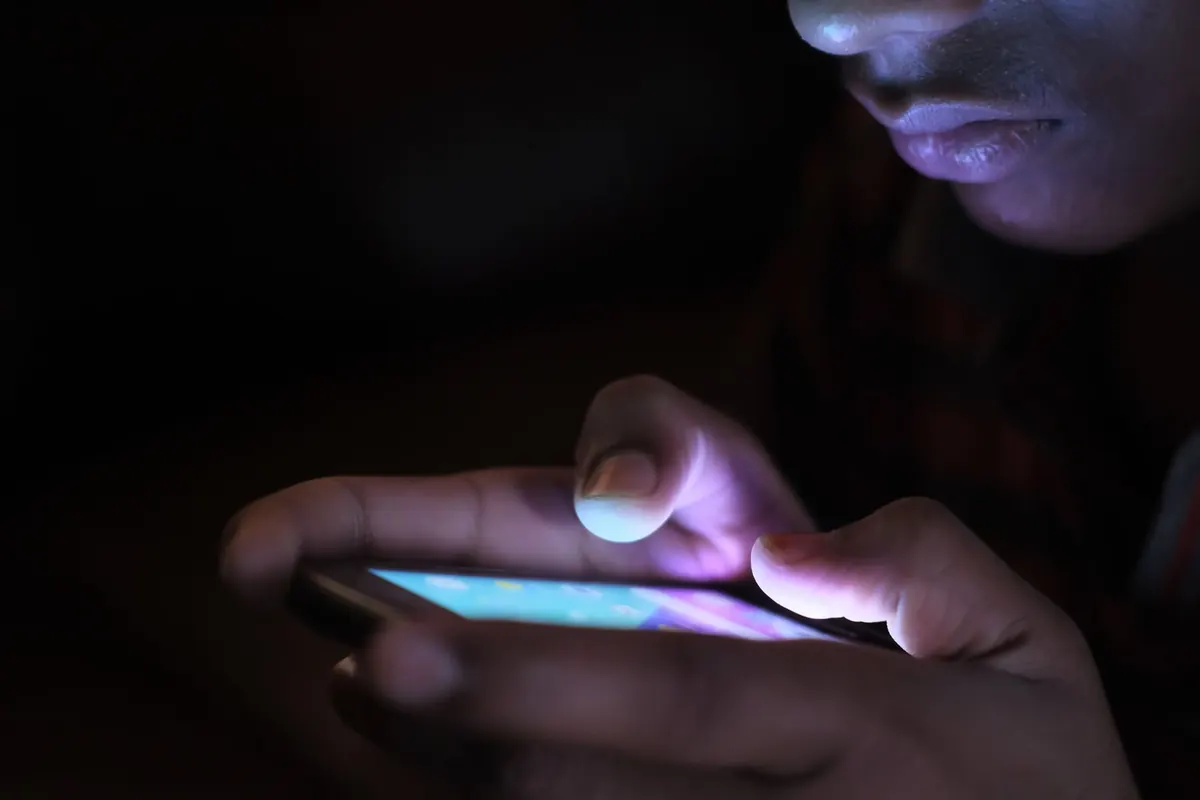
The last thing most of us look at before sleep is a screen, and the first thing we reach for in the morning is the same one. The bedroom has quietly become an office, a cinema, a news stand and a slot machine, all glowing on the bedside table. If you have tried leaving your phone in another room and lasted two nights, you are not short of willpower. You are trying to break a habit that has been rehearsed thousands of times, in the dark, at the hour when you have least resistance.
So do not rely on resolve. Rework the routine instead. What follows is a gentle, practical plan you can build over a week or so, designed for people who share a bed, work odd hours, or have children who might need them in the night.
Move the charger first
Most bedside phone habits are really charging habits. The phone sleeps next to you because that is where the cable is, and everything else — the scrolling, the news check, the just-one-video — follows on from that. Move the charger to the hallway, the kitchen or a spare room and the habit loses its anchor.
That leaves the alarm. Buy a basic alarm clock, or dig out the watch you stopped wearing, and set it before you leave the room. It costs very little and removes the last respectable reason for a phone on the bedside table.
Do this tonight, before you decide anything else. One decision, made in daylight, saves you twenty small ones after ten o'clock.
Rebuild the hour before bed
An empty hour is hard to fill with nothing. Structure helps. This is a loose shape, not a timetable to fail at.
- Ninety minutes before bed: plug the phone in somewhere else and say goodnight to it. Tell the people likely to message you that you go offline at a certain time, so silence is not read as rudeness.
- Sixty minutes: do the jobs that need a screen — tomorrow's schedule, a message to a friend, a last look at the weather — then close the laptop too. There is little point swapping one glowing rectangle for another.
- Forty-five minutes: shower, brush your teeth, lay out clothes, make tomorrow's lunch. Small physical tasks move you towards sleep far better than one more episode.
- Thirty minutes: get into bed with a book, a magazine, or nothing at all. A paper book is the easiest substitute, because it is interesting without being endless.
- Lights out: lamp off, curtains arranged, room cool and dark. If your mind starts listing tomorrow's tasks, you have somewhere to put them — see below.
Deal with the thoughts that arrive at midnight
The phone is often less the problem than the thing that drowns out your thinking. Take the drowning away and the thinking gets louder for a few nights.
Keep a notebook and a pen by the bed. When something surfaces — an email you forgot, a birthday, a worry about a friend — write it down in a line or two. You are not solving it now; you are promising to look at it tomorrow. Then close the book. For most people this is enough to stop the loop, and the pages become a useful list in the morning.
If the phone has to stay in the room
Some people genuinely need to be reachable: on-call workers, parents of children who are unwell, anyone caring for an elderly relative. If that is you, keep the phone but change its job description.
- Set it to Do Not Disturb with a small allowance for favourite contacts, so only the people who truly need you can get through.
- Turn the screen face down and put it across the room, out of arm's reach. Distance is the whole trick.
- Disable the notifications that wake you for no reason, and switch off vibration.
- Charge it overnight somewhere low and awkward — behind a chair, on a windowsill — rather than beside your head.
If sleep, breathing or persistent insomnia is a concern for you, a conversation with your GP is worth having. Calm routines like this one are helpful, but they are not a substitute for proper advice.
Make the room worth being in
It is easier to leave a phone in the hallway when the bedroom is somewhere you actually want to be. A few small adjustments do most of the work.
Warm, low lighting rather than a bright ceiling bulb. A lamp you can reach without getting up. Water within reach. A clock you can read without squinting. Somewhere to drop clothes so the floor is not a trip hazard in the dark. If your bedroom has become a storage room with a bed in it, spend ten minutes clearing the surface nearest to you. It changes how the room feels.
When you wake in the night
Waking in the night is normal. Reaching for the phone is the part that turns a five-minute wake into forty minutes awake. If you cannot settle after twenty minutes or so, get up, sit somewhere dim with a book, and go back when you feel sleepy. Do not check the time on a screen. A plain clock is kinder.
The first week, honestly
The first two or three nights usually feel flat and slightly boring. That is the sound of a habit losing its grip, not evidence that the plan is failing. Keep going.
Expect the weekend to be harder, because there is no morning to protect. Expect one bad night, and do not treat it as a restart. The goal is not a perfect streak; it is that the phone is no longer the last thing you touch before sleep.
A calmer room, one evening at a time
Start with the charger tonight and the alarm clock tomorrow. Nothing else has to change yet. After a week, add the notebook, then the lamp. Layer the changes rather than announcing a new regime you will abandon by Thursday.
If sleep is still difficult after a few weeks, or you are regularly exhausted during the day, speak to your GP. Removing a phone from the bedroom is a good habit; it is not a cure for everything, and it does not need to be.
Photo: kaboompics / Pixabay