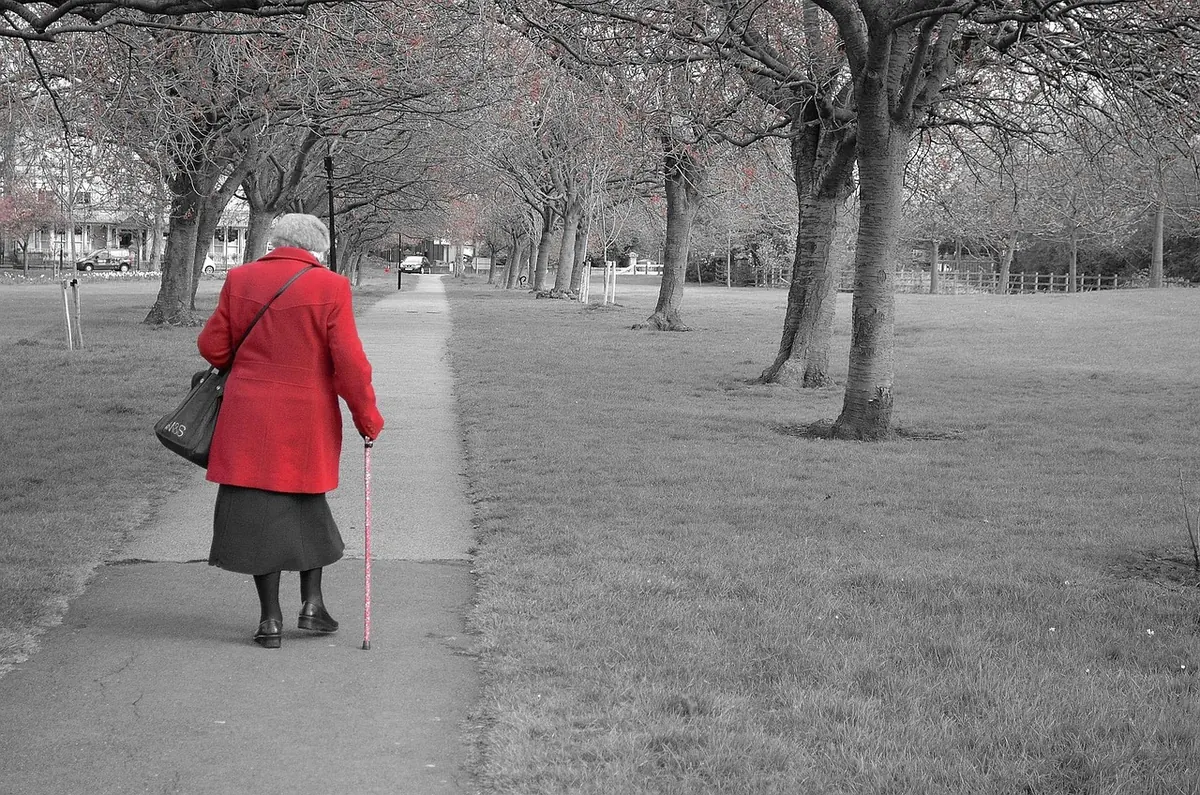
The clocks go back on the last Sunday in October and, in theory, you gain an hour. In practice the evenings close in, the mornings turn bright and cold, and within a fortnight plenty of us are yawning at half past eight and wide awake at four. Resetting your sleep for autumn doesn't need a dramatic overhaul. It needs a handful of small adjustments, made in a sensible order, before the dark evenings settle in for the long haul.
Start with the morning, not the night
Every attempt to sleep earlier fails if the morning is a mess. The body clock takes its strongest cue from when you wake and when you see daylight, so that is where this reset begins.
Step 1 — Pick a wake-up time you can actually keep
Choose a time you can hold seven days a week, or close to it. The temptation after the clocks change is to lie in, and one long lie-in is enough to push everything later for days. If you are short on sleep, pay the debt back with an earlier night rather than a later morning. An extra hour at the weekend is fine; three is what leaves you groggy on Monday.
Step 2 — Get outside shortly after waking
Aim for fifteen to thirty minutes of daylight within an hour or so of getting up. Breakfast by a window is a start. A walk round the block is better. Even a grey, drizzly morning is far brighter outdoors than your kitchen, and it is the brightness that does the work — it tells your body that the day has properly begun.
Bring the evening forward in ten-minute slices
Step 3 — Move the wind-down, not just the bedtime
Nobody goes from midnight to ten o'clock in one night. Move the start of your wind-down earlier by ten minutes, every night or every second night. Ten minutes is barely noticeable; over a fortnight it adds up to more than two hours. Keep the bedtime roughly fixed once you have shifted it.
If you are still awake twenty minutes after lights out, get up. Sit somewhere dim and quiet with a book, and go back to bed when you feel heavy-eyed. Staying put and fretting teaches your brain that the bed is a place for thinking.
Dim what you can, warm what's left
Step 4 — Change the light before you change the routine
An hour or two before bed, switch off the overhead light. Use lamps instead, placed low, with warm white bulbs rather than the cool, blueish ones. A lamp beside the sofa does more for the atmosphere than any amount of willpower. With screens, the aim is not abstinence but distance: lower the brightness, put the phone on charge across the room, and if you are watching something, choose something that will not leave you wired.
Kitchens are the usual offender. A bright strip light at ten o'clock while you load the dishwasher undoes an hour of good intentions. Turn the main light off and leave a small one on.
Cool the room, warm the body
Step 5 — Use temperature deliberately
A warm bath or shower an hour before bed, followed by a cool bedroom, is one of the oldest tricks there is. As your body cools afterwards, it reads that as a signal to sleep. Keep the bedroom on the cool side, open the window for ten minutes before you get in, and use a lighter duvet than you think you need — with a hot water bottle or warm socks if your feet complain. A room that is too warm is a common reason for waking in the small hours.
Eat and drink with the earlier night in mind
Step 6 — Move dinner earlier and go easy on the nightcap
If bedtime is drifting towards half past ten, a nine o'clock dinner sits heavily. Shift the main meal earlier where you can, or make lunch the bigger meal and supper the lighter one. Caffeine is worth watching too: if you are sensitive to it, a cup at four in the afternoon can still be working at midnight.
Alcohol is the trickier one. It may help you drop off, but plenty of people find it fragments the second half of the night. Keep it earlier in the evening, eat something alongside, and match each drink with a glass of water. If you take prescribed medication that affects sleep or alertness, check with your GP or pharmacist before changing when you take it.
Close the day on paper
Step 7 — Park tomorrow before you go upstairs
Most late-night wakefulness is thinking, not sleeping. Five minutes with a notebook takes the pressure off. Write down:
- the one thing you need to do first tomorrow
- anything you are afraid of forgetting — a form, a call, a birthday
- the thing that is actually worrying you, and the next small step you could take
- anything to sort out in the morning: keys, bag, lunch, the school run
Then close the book and leave it downstairs, or keep it by the bed so a middle-of-the-night thought has somewhere to go other than round and round.
Keeping it going as the nights draw in
The first fortnight is the easy part. What carries a reset through November and December is dull consistency: the same wake-up time, daylight early, lamps instead of overheads after nine, a cool dark bedroom. Expect a wobble around the shortest day, when it is dark by four and your body would happily hibernate. Treat that week as one to be kind to yourself rather than one to abandon the plan.
If you have been sleeping badly for more than a few weeks, or it is affecting your mood, your work or your driving, speak to your GP rather than tinkering indefinitely. Ongoing insomnia is common and it is worth asking about.
Photo: freestocks-photos / Pixabay