Slow living has a reputation problem. The phrase suggests a cottage with a wood burner, a sourdough starter with a name, and an afternoon entirely free of obligation. None of that is required.
What slow living actually asks of you is smaller and far more useful: a handful of habits that lower the speed of an ordinary week without changing its shape. You still go to work. You still do the school run, the weekly shop and the washing. You simply do a few of those things at a pace you have chosen, rather than one that was handed to you. Ten habits follow, and they fit around a full diary rather than replacing it.
What Slow Living Is Not
Worth clearing the ground first, because the term attracts a fair amount of nonsense.
- It is not a productivity system. The aim is not to get more done in a calmer-looking way. If you finish the week with a tidier to-do list and the same clenched feeling, nothing has changed.
- It is not a shopping list. No linen apron, no expensive candle, no matching storage baskets. Most of these habits cost nothing and take less time than you would spend reading about them.
- It is not a withdrawal from other people. Slow and solitary are different words. A slow week usually means more time with the people you live with, not less, because you are not half-listening to them while doing something else.
Mornings: Three Habits
- Wake ten minutes before the house does. Set the alarm a little earlier and spend the difference sitting down with a hot drink. Ten minutes is enough to notice what the morning actually looks like. If you have small children who rise at six, this may mean being up at ten to — which sounds grim, and usually is not. The alternative is being woken by the day rather than meeting it.
- Eat breakfast at a table, without a screen. Even toast. Even if you normally eat it standing at the counter with one eye on email. Sitting down for ten minutes changes the temperature of everything that follows. With children, ask one open question rather than launching into the day's logistics. If you eat alone, eat alone — not every silence needs filling.
- Keep your phone out of the first hour. Charge it somewhere other than your bedside, or at least leave it alone until you are dressed. Those first thirty minutes are the only ones nobody else has a claim on. If the phone is also your alarm, an inexpensive clock solves that.
The Working Day: Three Habits
- Do one thing at a time for the first hour. Decide the night before what that one thing is and write it on a sticky note. Turn off notifications, close the extra tabs, give the hour to it. Finishing one thing before ten o'clock does more for the rest of the day than an inbox emptied twice over.
- Take a real lunch break. Away from the desk, even for twenty minutes. Walk to the end of the road and back. Eat without typing. If you work at home with children, your version may be the twenty minutes after lunch when they are occupied — take it rather than tidying the kitchen.
- Put a buffer between appointments. Fifteen minutes where you can, five where you cannot. Stand up, make a drink, note down what the next task actually needs from you. A day of back-to-back meetings feels like something being done to you. Small gaps are what make it feel manageable.
Evenings: Three Habits
- Close the working day on purpose. Write three items for tomorrow, shut the laptop, clear the surface it sits on. Then add a signal that says the day is over — a walk round the block, getting changed, putting the laptop in a drawer rather than on the kitchen table. Without a signal, the evening becomes work you are merely not doing.
- Cook one unhurried meal. One, not seven. Chop an onion with the radio off. Let someone else lay the table. Keep phones in another room for the length of the meal and allow the conversation to be slow and slightly boring, which is what most good family conversation is.
- Wind down before bed, not at bedtime. Dim the lights an hour before you turn in, put your phone on charge outside the bedroom, read ten pages of something printed. This is not a cure for anything: if sleep is a persistent struggle, speak to your GP rather than rearranging your evening.
The Tenth Habit: One Protected Hour
Put an hour in the diary each week and treat it as an appointment you cannot move. Saturday morning before the house is up. Tuesday lunchtime in the park. Sunday afternoon with the radio on and nothing else planned.
Spend it on something slow and unproductive: a walk with no destination, a garden, a book, a long cup of coffee. Not a hobby you feel obliged to improve at, and not a side project. The hour is the point, not what you do with it.
Protect one empty evening too, if you can. The instinct when an evening frees up is to fill it with something worthy — a class, a catch-up, a repair job. Leave it empty instead, and see what you do with it.
The aim is not a perfect week. It is a week that still has something left in it by Friday.
Making It Stick
Habits fail for dull reasons: too many at once, too big, attached to nothing. A few things that help.
- Start with two. Pick the pair that sounds least like effort — usually the morning drink and the lunch break.
- Attach each habit to something you already do. After the kettle boils. After the school drop-off. After you close the laptop. Existing routines carry new ones.
- Make them smaller when you miss them. Missing a day is not failure; it is Tuesday. Missing four in a row means the habit is too large — halve it and try again.
- Tell the people you live with. Not as a grand announcement, just so they know why you are sitting
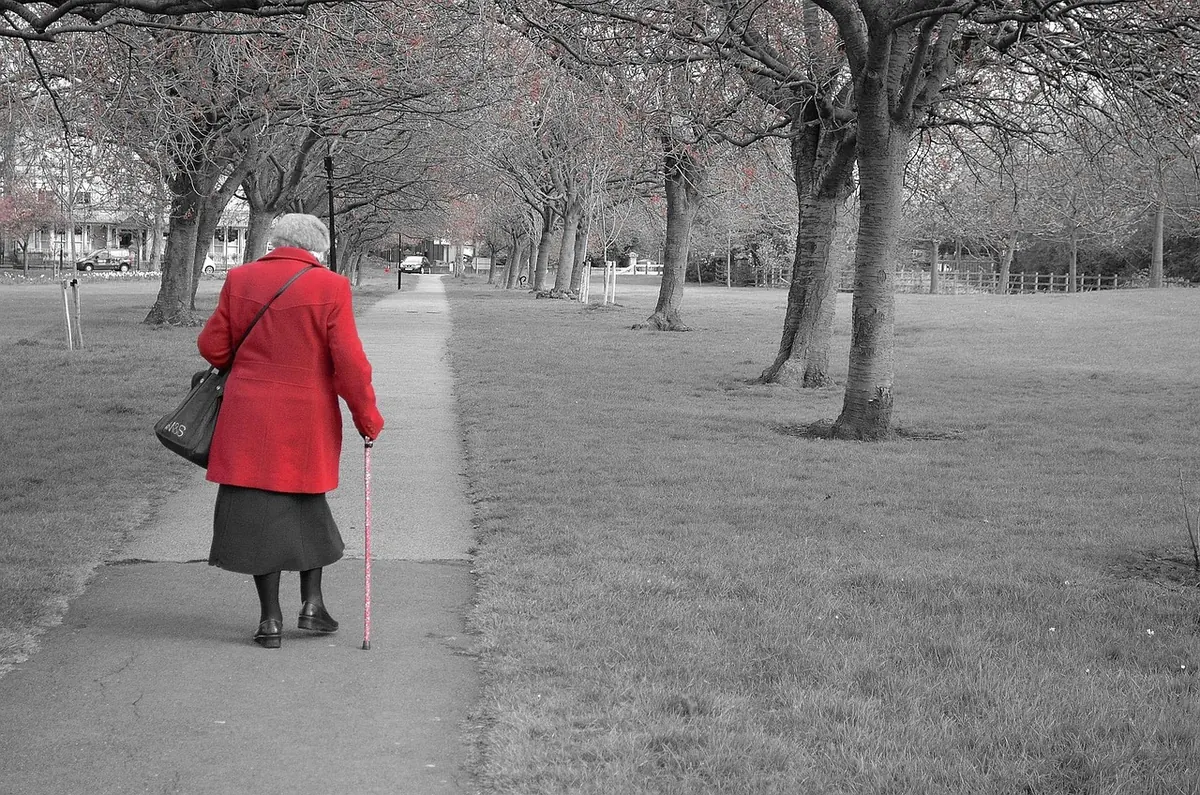
Photo: FotoRieth / Pixabay